Aircrew Parachute Harness/Pack – Vulcan & Victor Crew Seats: Historic Aircrew Escape Assembly
Aircrew Parachute Harness/Pack – Vulcan & Victor Crew Seats: Historic Aircrew Escape Assembly
Blog Article
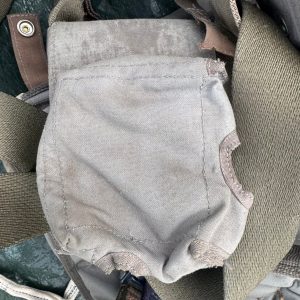
The Aircrew Parachute Harness/Pack – Vulcan & Victor Crew Seats offers collectors, restoration specialists, museums, aviation historians, and qualified equipment professionals a distinctive example of military flight safety equipment.
The Aviation Parachute Harness supports secure attachment within an emergency system, while the Pilot Parachute Harness should be evaluated for webbing condition, hardware integrity, adjustment, size, and compatibility.
The Aircraft Emergency Parachute Harness and related Aircrew Safety Harness, Flight Crew Parachute Harness, Emergency Parachute Harness, and Military Aircrew Harness keywords help connect the product with aviation collectors and specialists.
The Aviation Emergency Escape Harness, Parachute Harness Assembly, Aircraft Crew Safety Equipment, Aircrew Emergency Equipment, and Pilot Emergency Parachute System form part of a broader aviation safety category.
Aircraft Parachute Equipment offers the strongest value when condition, origin, markings, storage history, and intended sale status are disclosed transparently.
Key Details of the Crew-Seat Parachute System
Different seats, crew roles, equipment updates, maintenance programs, and production periods may have used variations in harness, pack, fittings, or attachment arrangement.
The listing should explain whether the item includes the harness only, pack only, container, straps, fittings, seat connections, release hardware, padding, labels, or additional components.
Understanding Aviation Harness Materials
The condition of each structural element contributes to the overall integrity of the assembly.
Stitching should be reviewed for broken threads, fading, contamination, pulled sections, loose patterns, unauthorized repair, and separation from the webbing.
Choosing a Pilot Parachute Harness
A Pilot Parachute Harness should correspond with the wearer, clothing, seat arrangement, parachute pack, attachment system, and intended operating configuration.
Buckles and adjusters should move without excessive force, binding, corrosion, cracking, deformation, or damage to adjacent webbing.
Aircraft Escape Harness Applications
Operational claims should never be made without current specialist inspection and applicable documentation.
Paint, plating loss, scratches, or movement marks may provide information about previous use and storage.
Historic Aircrew Restraint Equipment
An Aircrew Safety Harness may serve as part of a parachute, restraint, escape, survival, or crew-seat equipment system depending on its exact design.
Proper storage protects the Aircrew Safety Harness and reduces further deterioration.
Military Parachute Harness Inspection
The listing should note webbing color, flexibility, staining, fraying, stitching, hardware condition, labels, odor, storage marks, repairs, and missing parts.
Documented history can add substantial collector value.
Parachute Webbing Condition Checks
The pack or container should be examined separately for fabric deterioration, closures, contamination, deformation, and missing components.
Leather or rubber components may harden, shrink, crack, or become brittle during storage.
Preserving Cold War Aviation Safety Gear
Original components with clear labels and matching hardware may be particularly desirable for accurate displays.
The equipment should be mounted through reversible methods that avoid cutting, drilling, gluing, or permanently altering original material.
Evaluating Emergency Escape Gear
A complete-looking harness/pack should not be represented as check here a complete escape system without supporting information.
Qualified historical or technical review supports accurate Aviation Emergency Escape Harness presentation.
Harness and Pack Configuration
The exact configuration should be listed clearly so buyers understand what is included.
Unverified components should be identified as unknown rather than assigned an unsupported function.
Military Crew Survival Gear
Transparent classification protects buyers and preserves historical context.
Original dirt, markings, or wear may provide useful historical evidence.
Preserving Aviation Emergency Equipment
A harness/pack associated with Vulcan or Victor crew seats can contribute to research into military cockpit equipment and emergency procedures.
Replacement straps or hardware should be disclosed when known.
Pilot Parachute Pack Integration
A Pilot Emergency Parachute System includes more than a harness because the pack, canopy, deployment equipment, connections, fit, inspection status, and operating procedures all matter.
When internal contents are unknown, the listing should state that clearly.
Aviation Safety Harness for Display and Collection
The item should remain removable for inspection and future conservation.
Handling can accelerate webbing wear and damage original fittings.
Evaluating Parachute Harness Value
A collector may prioritize originality and aircraft association, while a restoration buyer may focus on matching fittings and seat compatibility.
Price should reflect the complete evidence rather than aircraft-name keywords alone.
Aircraft Parachute Equipment Compatibility
A harness associated with one Vulcan or Victor seat position may differ from equipment used by another crew member.
The seat itself should be reviewed for attachment points, routing, hardware, clearances, and equipment relationships before a harness/pack is installed for display.
Military Aircrew Harness Buying Checklist
The buyer should request enough information for a parachute specialist, military aviation historian, conservator, or experienced collector to evaluate the item.
- Resolve identity, provenance, configuration, and package-completeness questions before payment.
- Inspect stitching for broken threads, loose patterns, separation, contamination, fading, and previous replacement.
- Confirm the seller’s invoice, payment protection, packaging method, shipping insurance, inspection period, and return conditions.
Long-Term Harness and Pack Care
The harness and pack should be stored in a clean, dry, stable environment with moderate temperature, controlled humidity, limited light, and protection from pests.
The item should be inspected periodically for corrosion growth, mildew, pest activity, staining, webbing changes, odor, hardware movement, and storage damage.
Reversible Aircrew Harness Mounting
A crew-seat display should support the pack in a way that reduces weight on aged straps, fittings, and adjustment points.
Lighting should be limited to reduce fading and fiber deterioration, while the display case should protect against dust, touch, moisture changes, and accidental impact.
Protecting Aviation Safety Equipment
Conservation decisions should consider both material stability and historical value.
Documentation should record every intervention, added component, cleaning method, and display modification.
Aircrew Parachute Harness Conclusion
The Aircrew Parachute Harness/Pack – Vulcan & Victor Crew Seats can provide significant restoration, display, research, educational, and collector value when its identity, condition, completeness, and aircraft association are verified.
The assembly should be judged according to verified identity and complete project suitability rather than aircraft-name recognition, visual completeness, or price alone.
Whether buyers seek a Flight Crew Parachute Harness, Emergency Parachute Harness, Military Aircrew Harness, or Aviation Emergency Escape Harness, exact system identity remains essential.
With verified provenance, careful inspection, protected storage, reversible display methods, organized documentation, and responsible conservation, the harness/pack can provide lasting historical value.
Report this page